ニュース

ニュース

デスクトップ バーコード スキャナーは、最新のワークフローの精度と速度をどのように変えることができるでしょうか?

In today’s data-driven workplaces, speed and precision determine operational success. From retail checkout counters and logistics warehouses to healthcare labs and libraries, accurate data capture is fundamental. A Desktop Barcode Scanner is designed to eliminate manual entry errors, accelerate transactions, and ensure traceable record-keeping. Organizations often struggle with inefficiencies caused by outdated scanning tools, poor decoding performance, or incompatible interfaces. This comprehensive guide explores how desktop scanning solutions resolve real operational challenges while improving productivity and reliability. Drawing on practical deployment insights and industry experience, this article explains essential technologies, deployment considerations, performance factors, and maintenance strategies — with particular reference to the engineering expertise offered by Xiamen Peite Electronic Technology Co., Ltd.

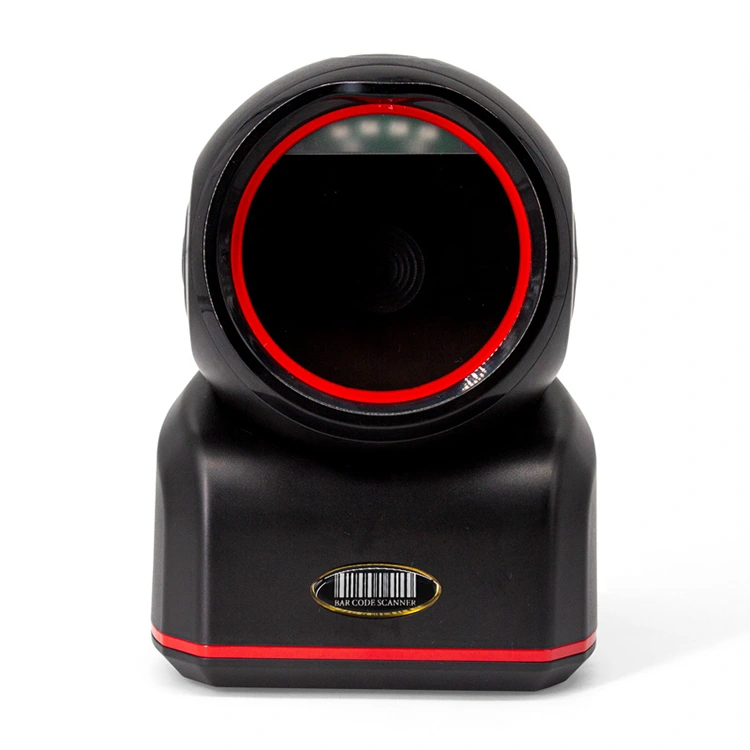
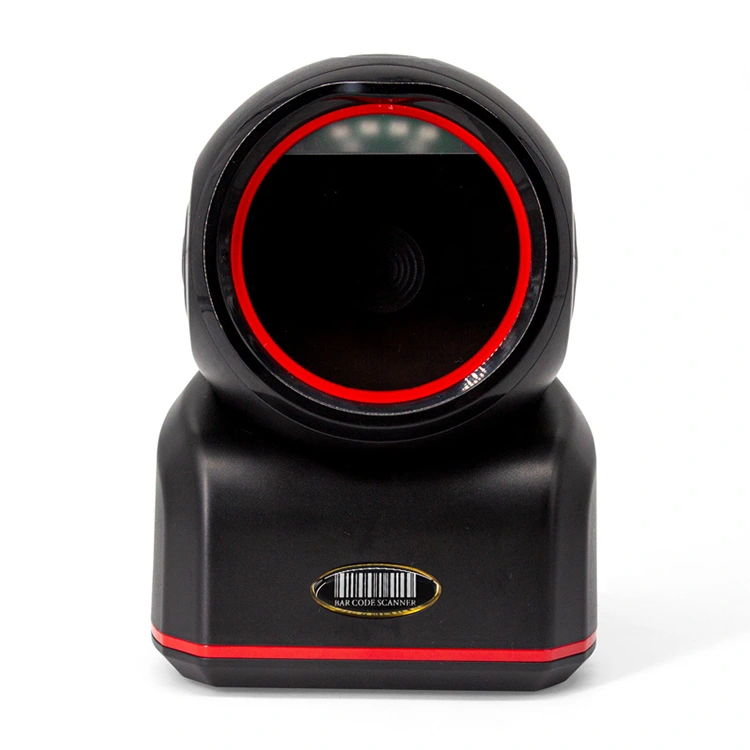
Desktop Barcode Scanner


Article Summary

This guide explains how Desktop Barcode Scanner solutions streamline workflows, improve tracking accuracy, and support scalable data capture across industries. It examines core features, decoding technologies, integration factors, and real-world use cases while offering practical evaluation tips. Readers will gain actionable knowledge to select dependable scanning hardware, understand deployment tradeoffs, and avoid common purchasing mistakes.


Table of Contents

  • 1. Introduction to Desktop Barcode Scanner Technology
  • 2. Common Operational Challenges Without Reliable Scanning
  • 3. Core Features That Define High-Quality Scanners
  • 4. Comparing Laser, CCD, and Imaging Technologies
  • 5. Performance Metrics and Technical Specifications
  • 6. Industry Applications and Workflow Examples
  • 7. Integration and Connectivity Considerations
  • 8. Environmental Durability and Ergonomics
  • 9. Deployment, Training, and Maintenance Guidance
  • 10. Selecting the Right Manufacturing Partner
  • 11. Future Development Trends
  • 12. FAQ

1. Introduction to Desktop Barcode Scanner Technology

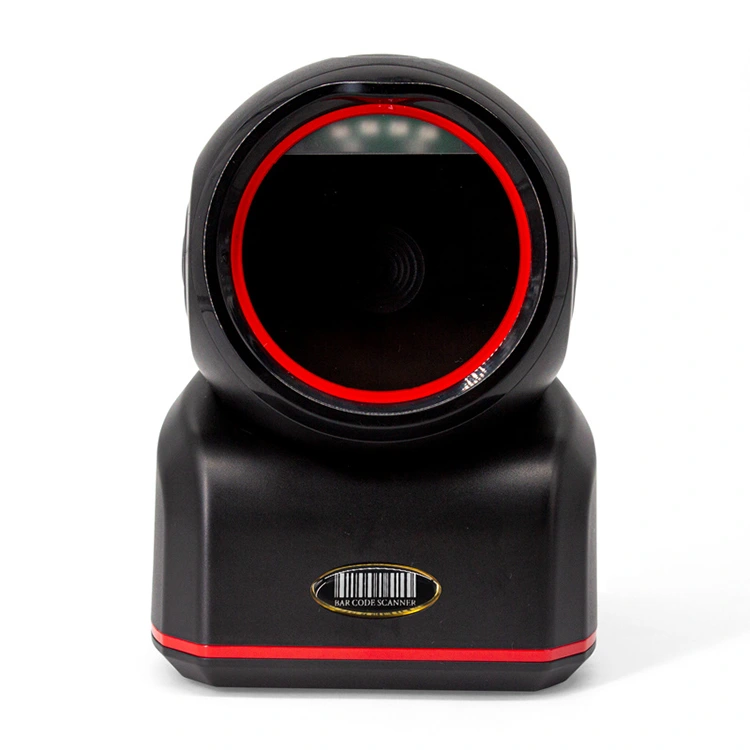
A Desktop Barcode Scanner is a stationary data-capture device designed for hands-free or presentation scanning. Unlike handheld alternatives, it remains mounted on a surface, allowing operators to pass items across its field of view for instant decoding. This configuration enhances efficiency in high-volume environments while reducing operator fatigue. Modern devices incorporate advanced imaging sensors, intelligent decoding firmware, and multi-interface communication protocols, ensuring adaptability across software ecosystems.

Xiamen Peite Electronic Technology Co., Ltd. has invested extensively in optimizing decoding engines, ensuring that scanners handle diverse symbologies, low-contrast labels, and damaged prints. Such engineering refinement improves operational consistency in demanding environments where downtime directly affects service delivery.


2. Common Operational Challenges Without Reliable Scanning

  • Manual data entry errors causing inventory mismatches
  • Slow checkout or registration processes
  • Incompatibility with evolving digital platforms
  • Difficulty scanning worn or reflective labels
  • Worker fatigue from repetitive handling
  • Data loss due to unstable connections

Organizations frequently underestimate the cumulative cost of inefficient scanning. Delays, inaccuracies, and workflow disruptions accumulate into measurable financial losses. Implementing dependable hardware supplied by specialists like Xiamen Peite Electronic Technology Co., Ltd. addresses these challenges directly by stabilizing capture reliability and reducing corrective overhead.


3. Core Features That Define High-Quality Scanners

Feature Function Operational Benefit
Omnidirectional Reading Captures codes from multiple angles Reduces alignment time
Auto-Sensing Mode Activates when objects enter field Hands-free workflow
High Decode Resolution Recognizes dense symbols Supports compact packaging labels
Multi-Interface Output USB / Serial / HID System compatibility
Durable Housing Resists impact and dust Long service lifespan

Manufacturers such as Xiamen Peite Electronic Technology Co., Ltd. refine these capabilities through precision optics, firmware optimization, and reliability testing to ensure dependable real-world performance.


4. Comparing Laser, CCD, and Imaging Technologies

Technology Strengths Limitations Typical Uses
Laser Long range, fast response Limited 2D decoding Retail checkout
CCD Energy efficient Shorter reading distance Document tracking
Imager Reads 1D & 2D Higher cost Healthcare, logistics

Selecting the right technology requires aligning capabilities with operational goals. Consultation with engineering teams like those at Xiamen Peite Electronic Technology Co., Ltd. helps decision makers evaluate lifecycle value rather than upfront cost alone.


5. Performance Metrics and Technical Specifications

  • Scan Rate — determines throughput capacity
  • Field Depth — influences placement flexibility
  • Minimum Print Contrast — ensures label readability
  • MTBF — predicts long-term reliability
  • Power Consumption — impacts deployment efficiency

Analyzing these factors helps organizations compare solutions objectively and avoid under-performing equipment that compromises productivity.


6. Industry Applications and Workflow Examples

Desktop Barcode Scanner solutions serve a wide range of industries:

  • Retail — accelerating checkout
  • Warehousing — inventory verification
  • Healthcare — specimen tracking
  • Libraries — circulation processing
  • Manufacturing — parts identification

Xiamen Peite Electronic Technology Co., Ltd. has supplied scanning platforms adaptable across these environments, ensuring stable decoding even under fluctuating lighting and material conditions.


7. Integration and Connectivity Considerations

Seamless deployment requires attention to connectivity architecture. Scanners typically connect via plug-and-play USB but may also support emulated keyboard output or serial communication. Proper configuration ensures compatibility with enterprise software without additional middleware.

Organizations working with experienced solution providers benefit from implementation guidance that reduces onboarding delays and accelerates productivity gains.


8. Environmental Durability and Ergonomics

Operational conditions influence device lifespan and performance. Exposure to dust, vibration, or temperature fluctuation demands robust casing and stable optical calibration. Ergonomic design also improves worker comfort and reduces repetitive strain.

Engineering emphasis on durability — such as that applied by Xiamen Peite Electronic Technology Co., Ltd. — ensures that scanners maintain decoding accuracy despite prolonged industrial use.


9. Deployment, Training, and Maintenance Guidance

  • Position scanners at ergonomic heights
  • Calibrate reading distance
  • Train staff on symbol alignment
  • Clean optical surfaces periodically
  • Update firmware when necessary

Preventive maintenance ensures consistent decoding quality and avoids unexpected interruptions.


10. Selecting the Right Manufacturing Partner

Beyond specifications, supplier capability significantly influences project success. Evaluation criteria should include:

  • Engineering expertise
  • Quality control processes
  • Customization support
  • After-sales service
  • Production scalability

Xiamen Peite Electronic Technology Co., Ltd. emphasizes collaborative development and quality validation, enabling clients to deploy scanning solutions tailored to evolving operational requirements.


11. Future Development Trends

Advancements in imaging sensors, AI-assisted decoding, and cloud connectivity continue shaping the next generation of Desktop Barcode Scanner technology. Predictive diagnostics, automated configuration, and expanded symbol recognition promise further efficiency gains.


12. FAQ

Q1: What distinguishes a desktop scanner from handheld alternatives?

A1: Desktop units enable hands-free operation and continuous scanning, improving efficiency in repetitive workflows.

Q2: Can scanners decode damaged labels?

A2: Advanced imaging engines compensate for imperfections, depending on contrast and distortion severity.

Q3: Are they compatible with existing POS software?

A3: Most units emulate keyboard input or provide configurable interfaces supporting broad compatibility.

Q4: How long do these devices typically last?

A4: Service life depends on environment and usage intensity but robust industrial models sustain multi-year operation.

Q5: Why prioritize manufacturer support?

A5: Reliable support ensures configuration assistance, firmware updates, and replacement availability.


Conclusion

Reliable scanning hardware is no longer optional — it is a foundational component of efficient digital workflows. Choosing the right Desktop Barcode Scanner ensures accuracy, consistency, and measurable productivity improvements across sectors. With engineering dedication, customization capability, and industry experience, Xiamen Peite Electronic Technology Co., Ltd. continues to deliver dependable scanning solutions designed to meet modern operational challenges.

Ready to enhance your workflow performance and data accuracy? Contact us today to explore how Xiamen Peite Electronic Technology Co., Ltd. can provide tailored Desktop Barcode Scanner solutions for your organization.

関連ニュース
メッセージを残してください
X
当社は Cookie を使用して、より良いブラウジング体験を提供し、サイトのトラフィックを分析し、コンテンツをパーソナライズします。このサイトを使用すると、Cookie の使用に同意したことになります。 プライバシーポリシー
拒否する 受け入れる